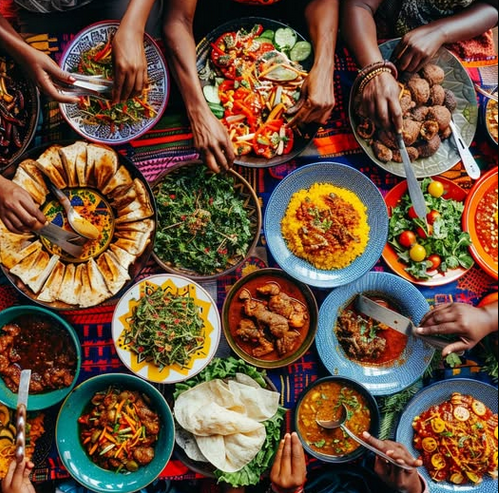
In Tanzania, food is not just nourishment—it is wisdom passed down through generations, a reflection of how communities have always linked diet to health, life, and spirituality. Among the many stories shared around the fire or during family gatherings, one recurring theme is the foods that pregnant women were told to avoid. These beliefs vary from tribe to tribe, but together they form a fascinating chapter of culinary culture.
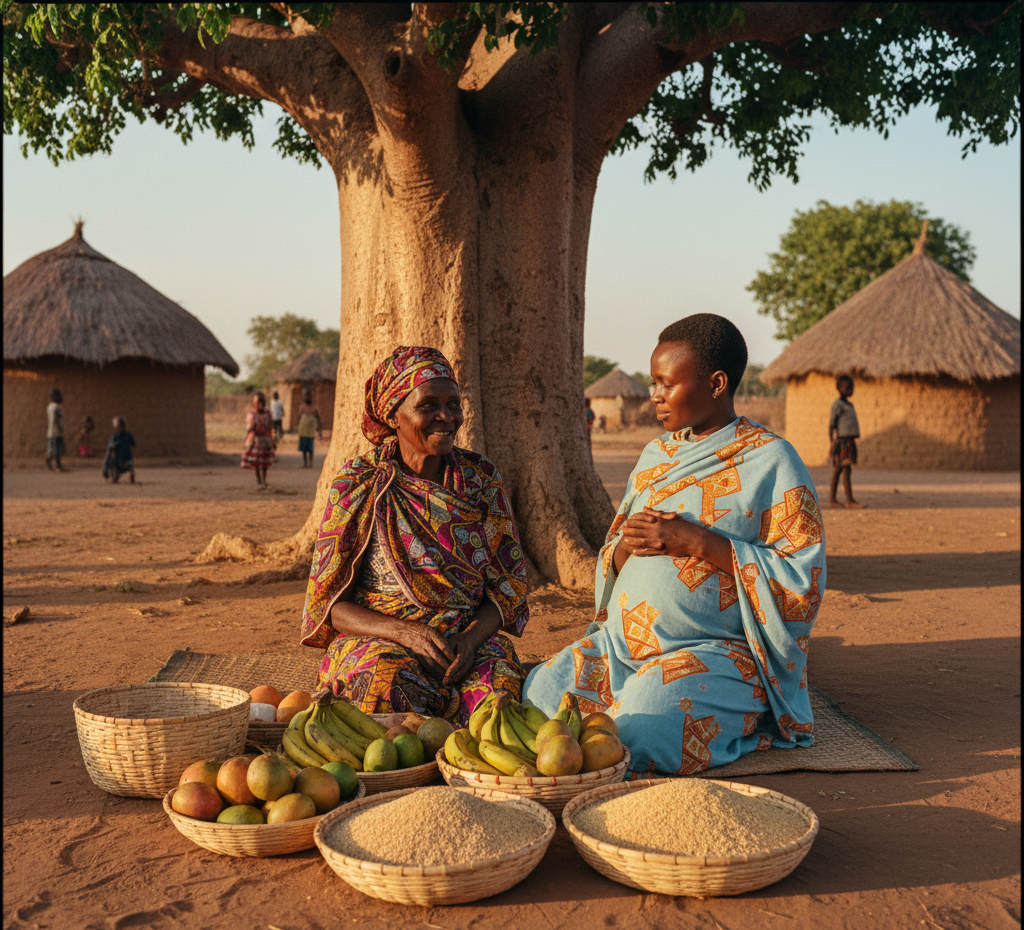
Long ago, among the Sukuma in northern Tanzania, elders advised expectant mothers never to eat eggs. They believed that consuming eggs would make the child greedy or speak too much, reflecting the symbolism of the egg as “a talkative spirit.” In the Chaga community of Kilimanjaro, bananas of certain varieties were avoided, with the fear that they would cause the umbilical cord to wrap around the baby’s neck.
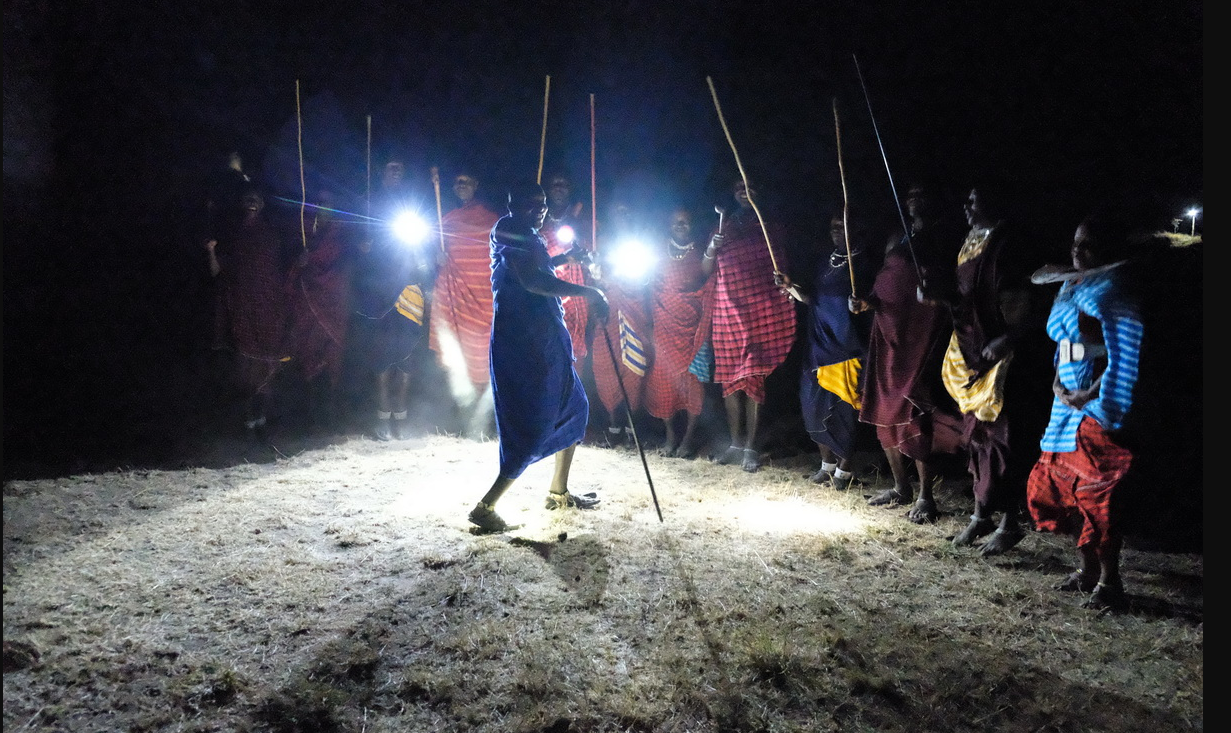
The Maasai, known for their strong traditions, often warned against fish during pregnancy. Their reasoning was not scientific but spiritual: fish live in water, and eating them was said to increase the chance of complications related to excess fluids. In some coastal Swahili communities, pineapple and unripe papaya were discouraged. These fruits were believed to “heat the womb” and bring early labor.
These prohibitions were not just about fear—they were acts of protection. Elders wanted mothers to carry their children safely, and so they wove these food taboos into everyday life. A grandmother might whisper to her daughter-in-law, “Don’t touch that fruit, it stirs the baby too much,” while gently placing a bowl of millet porridge in front of her instead.
Interestingly, many of these beliefs carried practical wisdom, even if explained in symbolic terms. Eggs, for example, were a scarce source of protein in rural areas, so restricting them for pregnant women ensured more were available for the rest of the household. Fruits like unripe papaya contain enzymes that, in large amounts, can indeed trigger uterine activity—a detail modern science now confirms.
Yet, these traditions were never meant to deprive. In fact, most tribes balanced restrictions with recommendations. The Hadzabe encouraged pregnant women to eat wild honey for strength, while the Gogo believed porridge mixed with groundnuts helped ensure a healthy baby.

Today, many urban Tanzanians no longer strictly follow these prohibitions, as access to hospitals and nutritional advice has expanded. Still, in villages and rural homes, you will hear the same stories repeated, handed down from one generation to the next. Whether or not people fully believe them, they remain part of the cultural fabric—a way of connecting the mysteries of life with the foods grown from the soil.
To listen to an elder speak of these foods is to step into a world where health, culture, and belief intertwine. It reminds us that food is more than just taste—it is heritage, protection, and sometimes even superstition.
So, next time you hear someone cautioning a pregnant woman against eating a certain dish in Tanzania, know that it is not just an old tale—it is a window into a society that has always cared deeply about the journey of bringing new life into the world.

Discussion Thread
No comments yet. Be the first to leave one!
Leave a Comment
Please log in to leave a comment or like a comment.